Explore expert tips and guides on landscaping, lawn maintenance, painting, masonry, and home renovation. Learn how to improve your home, protect your investment, and get professional results with the right approach.
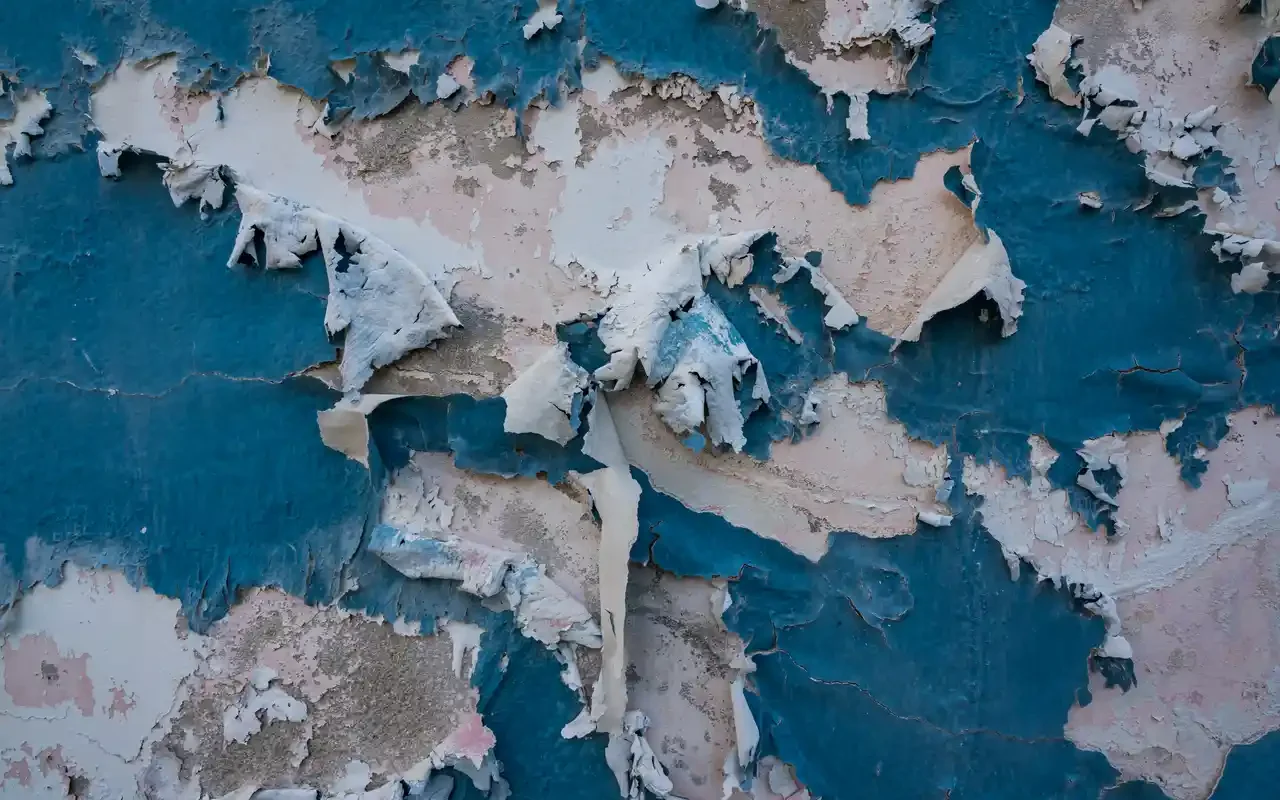
Paint peeling on a Connecticut home is rarely a paint problem, it is almost always a preparation or moisture problem that shows up later on the surface. If you have repainted and the peeling came back within two or three seasons, the original cause was not addressed. Clay heavy soil in New Haven, Litchfield, and Fairfield Counties creates moisture conditions at grade that wick into siding and trim. Freeze thaw cycling through Connecticut winters stresses paint films that are not flexible enough for the temperature range. And older homes with multiple paint layers can develop adhesion failures that make the new coat look like the problem even when it is not. Understanding what is actually driving the peeling is the only way to stop it from coming back.
Zone 5 and 5b temperatures in Connecticut, covering most of the counties we serve, produce significant freeze thaw cycling each winter. Paint films that do not have enough flexibility to expand and contract with the substrate will crack under this stress, and once a crack forms, water enters. That water freezes, expands the crack further, and lifts the paint from beneath. This is why peeling often appears first at seams, joints, and edges, the areas that move the most. The solution is not a better paint brand, it is selecting a product with a flexibility rating matched to Connecticut’s temperature range and applying it over a properly primed surface.
Much of our service area, Southbury, Woodbury, Oxford, and surrounding towns, sits on clay loam soil. Clay retains moisture significantly longer than well-drained sandy or loam soils, and that moisture moves upward into foundation areas, sill plates, and the lower courses of siding. Exterior paint on these surfaces is in constant contact with elevated moisture through the wet seasons. Without proper primer selection for high moisture substrates, the topcoat loses adhesion from below, and the peeling you see on the surface is the result of moisture that was never addressed underneath. Grading and drainage correction is sometimes a prerequisite before a paint job can hold.
Older Connecticut homes have been painted many times over the decades. When those layers are stable and well adhered, they do not present a problem. But when one or more layers have lost adhesion, even partially, every new coat applied over them inherits that instability. The new paint looks like the cause of the failure when it is actually just the most visible layer of a problem that goes deeper. A proper pre paint assessment probes the surface, identifies layer stability, and determines whether sanding, stripping, or consolidation is needed before priming. Skipping this step and painting directly over an unstable surface is the most common reason peeling returns.
A paint job that holds through Connecticut’s climate starts with surface assessment, not primer selection. The assessment identifies moisture sources, layer stability, and any substrate conditions, engineered wood edge sealing, trim rot, or grade level contact, that need to be addressed before painting begins. Primer is then selected for the specific substrate: high moisture rated products for lower courses and foundation areas, standard primers for stable dry surfaces. Topcoat selection follows, with flexibility rating appropriate for the frost zone. The result is paint that does not just look good on day one, it holds through multiple Connecticut winters without lifting, cracking, or peeling from below.
A properly applied exterior coat on a prepared surface should last 7 to 10 years in Connecticut. If peeling returns within 2 to 3 seasons, the moisture source or surface prep wasn’t fully addressed.
Less than preparation. A quality acrylic latex applied over a properly primed surface will consistently outperform a premium product applied without adequate prep.
Scraping removes the loose material but doesn’t address the cause. If the underlying surface isn’t assessed for moisture and adhesion, the new coat will likely peel in the same areas.
North-facing elevations get less sun and stay damp longer. That extended moisture exposure accelerates adhesion failure. These areas need special attention during prep and may require moisture-rated primer.
Yes. Clay soil at grade retains moisture that wicks into foundation areas and lower siding courses. Without moisture-rated primer in these zones, adhesion fails from beneath the topcoat.

Paint peeling on a Connecticut home is rarely a paint problem...
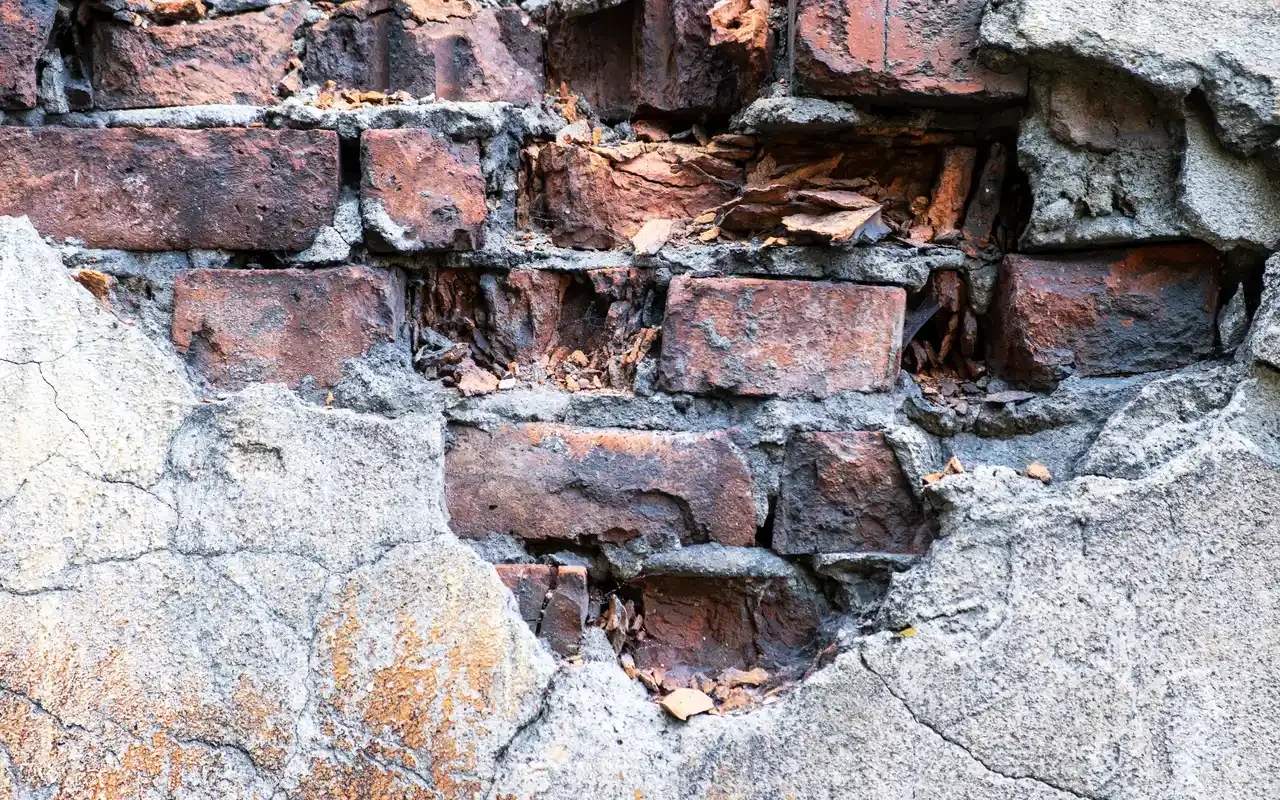
Mortar joints that crumble, bricks that spall, and patios...
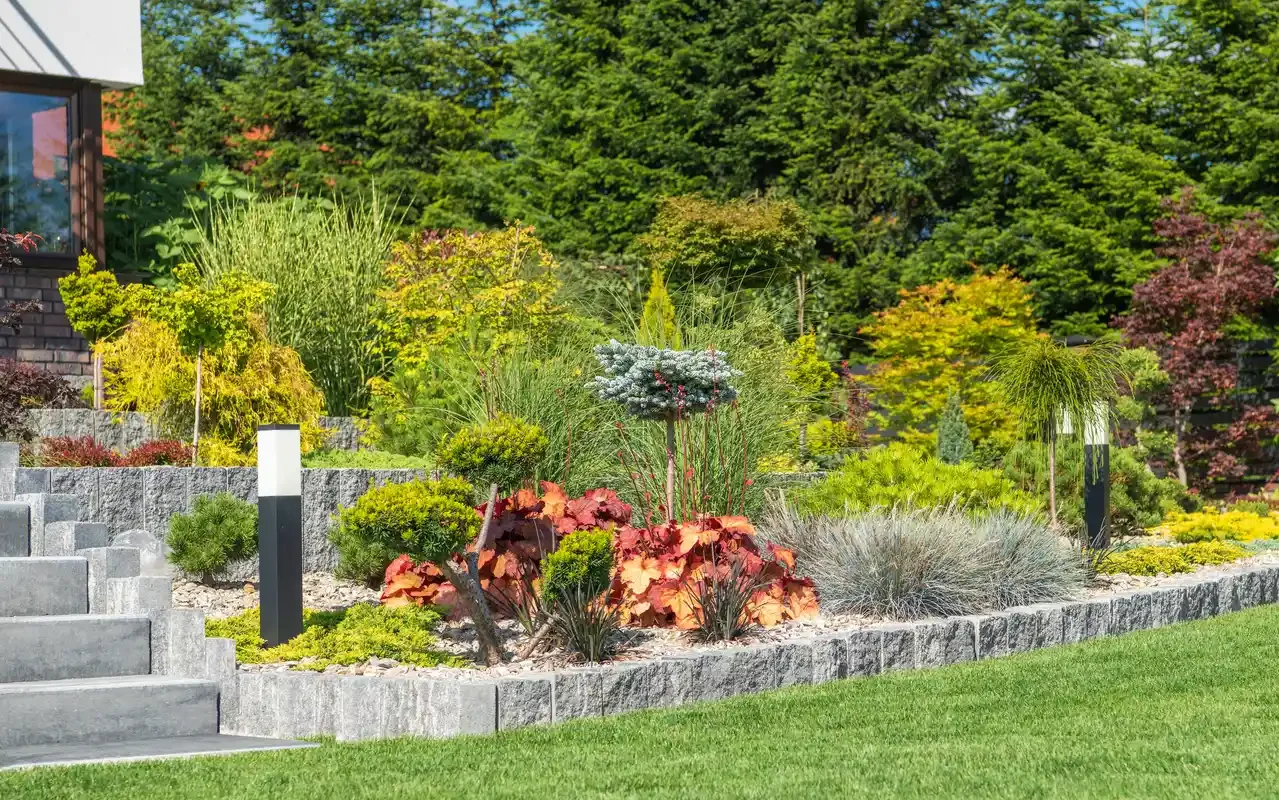
One of the first questions Connecticut homeowners...
Getting two or three renovation estimates and finding...

The line between a DIY landscaping project and one that benefits...
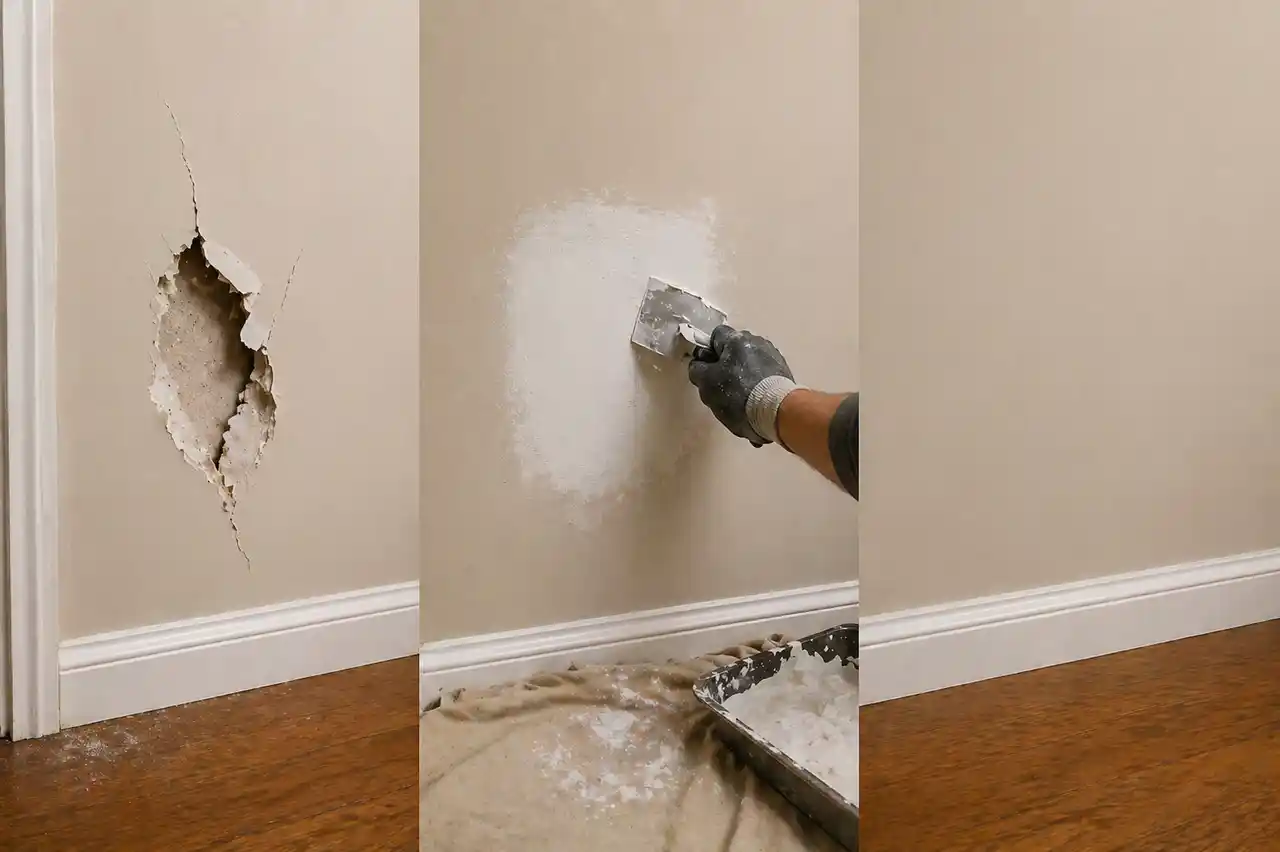
When rot appears in the trim, bricks start spalling on the chimney...