Repair, Restore, or Replace? A Connecticut Guide to Property Damage
When rot appears in the trim, bricks start spalling on the chimney, or siding sections lift after a hard winter, the first question most Connecticut homeowners ask is what to do next. The answer depends on the extent of the damage, the material involved, the age of the structure, and whether the source of the damage has been addressed. Repair, restoration, and replacement are three distinct approaches, each appropriate for different conditions and each carrying different cost, time, and long term performance implications. This guide helps homeowners in our Connecticut service area think through the right decision before calling a contractor.
When Repair Is the Right Answer
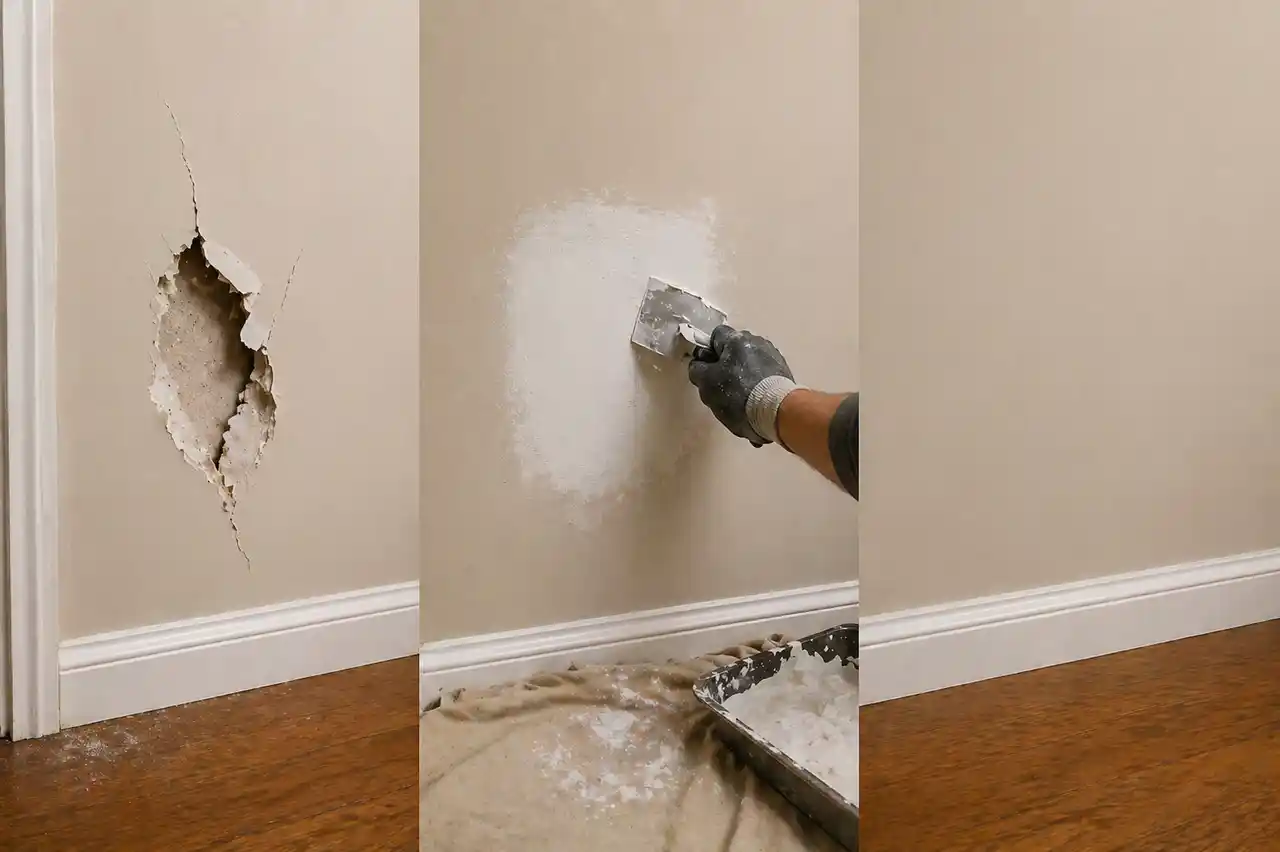
Repair, addressing a specific area of damage without broader intervention, is appropriate when the damage is localized, the surrounding material is structurally sound, and the source of the damage has been or can be corrected. A single rotted trim board on otherwise intact siding is a repair. A section of repointing on a chimney where only the upper joints have deteriorated is a repair. Two or three heaved pavers on a walkway with a stable base is a repair. The key condition is localization, if the damage is confined and the material surrounding it is in good shape, repair is efficient and cost appropriate. Expanding the scope beyond the actual damage zone without cause wastes budget on work that is not needed.
When Restoration Is the Better Approach
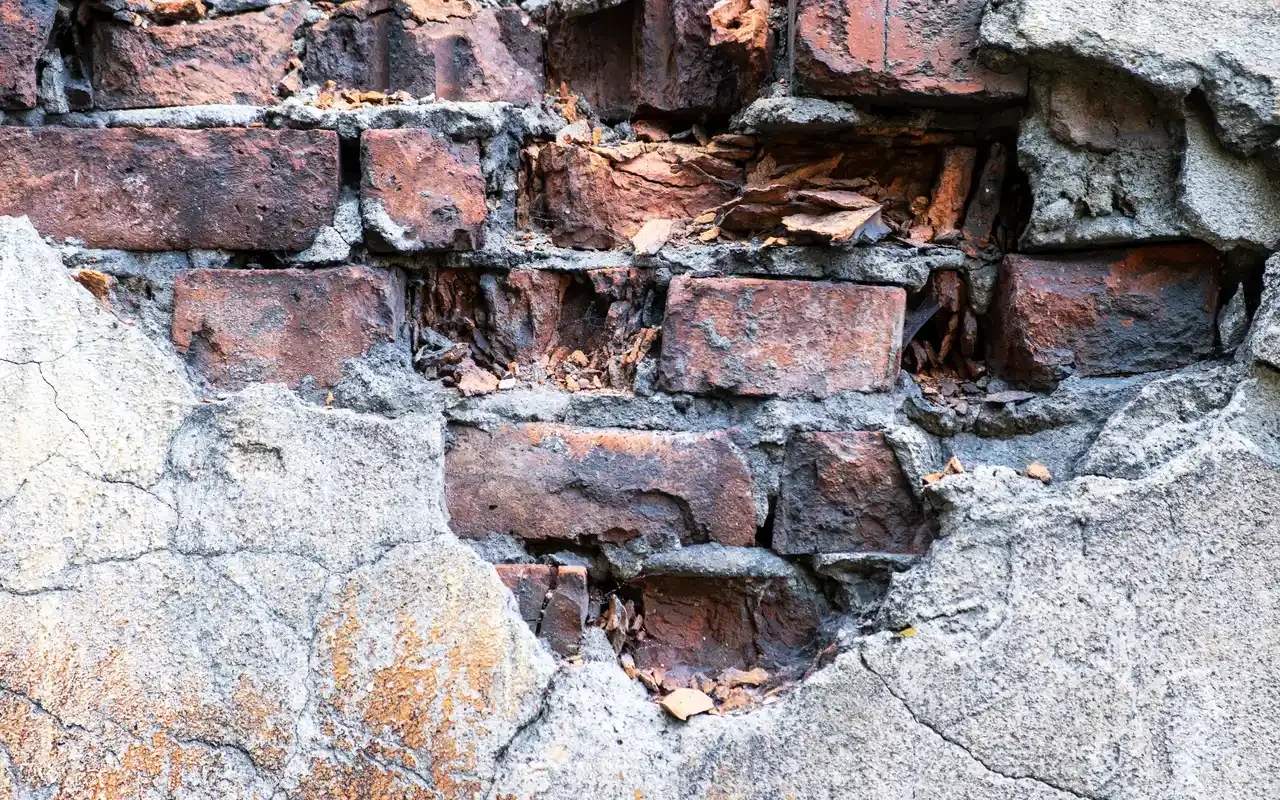
Restoration is broader than repair, it addresses a system or element that has deteriorated beyond spot repair but retains original material worth preserving. Historic masonry chimneys in Connecticut, where the brick and stone have significant age and character, are restoration candidates when the damage is extensive but the structural bones are sound. Original wood siding and trim on Litchfield County farmhouses, where the material itself is decades seasoned and irreplaceable, warrants restoration rather than replacement when structural integrity allows it. Restoration takes more time and skill than repair, and more than replacement in some cases, but it preserves material value and architectural character that new material cannot replicate.
When Full Replacement Is the Correct Decision
Replacement makes sense when the damage has progressed beyond what repair or restoration can address structurally, when the material has reached the end of its useful life, or when the cost of restoration approaches or exceeds the cost of replacement with a longer lasting alternative. Sill plates with rot that has spread into floor framing typically warrant full replacement rather than patchwork repair. A patio base that has shifted and settled significantly needs to be rebuilt from the bottom, resetting the surface without rebuilding the base just resets the clock on the same failure. And in some cases, a homeowner’s goal, energy efficiency, a different aesthetic, lower maintenance, makes replacement the right strategic choice regardless of whether repair was technically possible.
The Role of Source Correction in Any Decision
The single most important factor in any repair, restore, or replace decision for Connecticut properties is whether the source of the damage has been identified and can be corrected. A beautifully restored section of siding will fail again if the drainage condition that caused the original rot is still present. Freshly repointed chimney joints will deteriorate quickly if the crown failure that allowed water entry has not been fixed. Replacement sill plates will rot at the same rate as the originals if grade level contact with clay soil is not corrected through regrading. Source identification and correction is not an optional add on, it is the prerequisite that determines whether any intervention, at any scope, holds up over time.
Frequently Asked Questions