Explore expert tips and guides on landscaping, lawn maintenance, painting, masonry, and home renovation. Learn how to improve your home, protect your investment, and get professional results with the right approach.
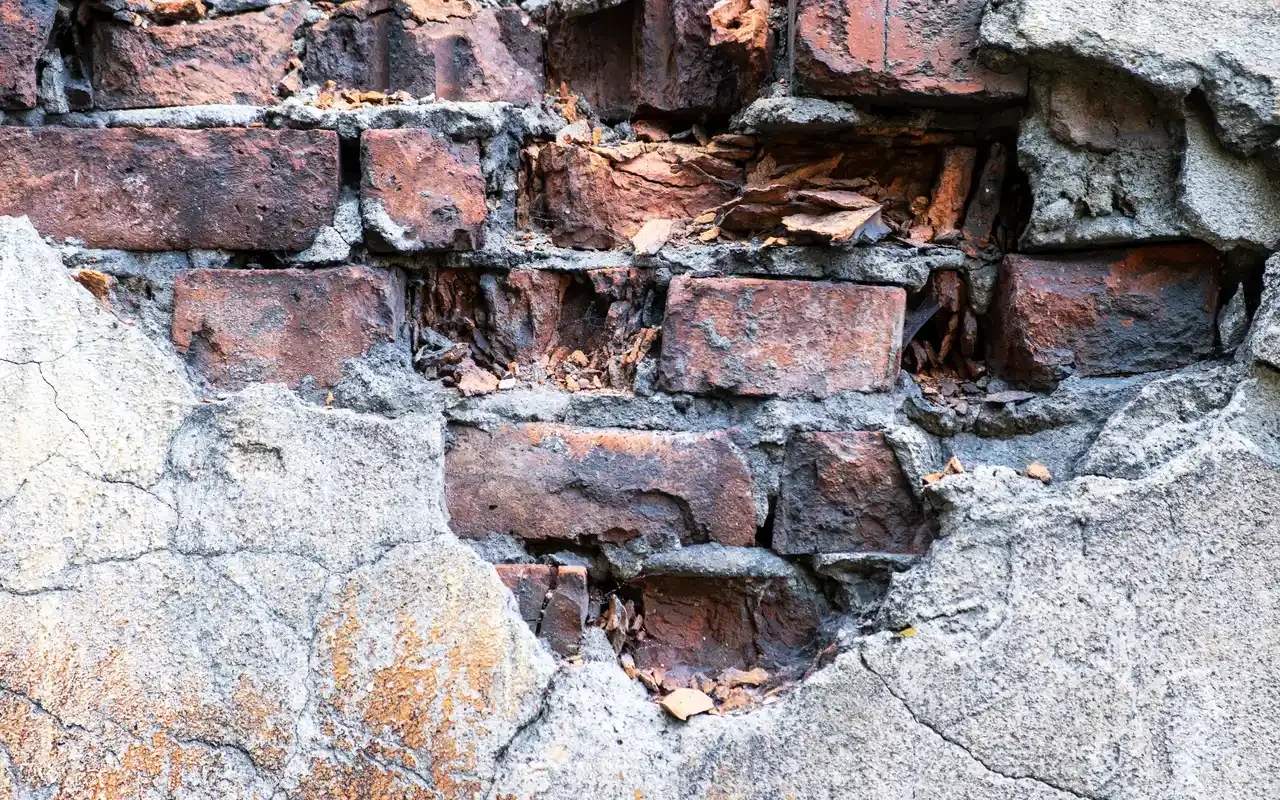
Mortar joints that crumble, bricks that spall, and patios that heave after one or two winters are all common complaints from Connecticut homeowners, and in most cases, the cause is predictable. Zone 5 freeze thaw cycling in our service area subjects masonry to more stress cycles per year than in warmer climates. But the right products and installation methods can handle that stress without failure. The problem is usually one of three things: mortar that is too rigid for the surrounding masonry, base preparation that is too shallow for Connecticut’s frost depth, or water entry at a crown or cap that saturates joints before the freeze. Identifying which condition is driving the failure determines the right repair approach.
Portland cement mortar, the standard in modern masonry, is significantly harder than the brick and stone used in Connecticut’s older homes. When freeze thaw cycling applies stress to a repointed joint, that rigid mortar transfers the force into the surrounding material rather than flexing with it. The result is spalling brick faces and cracked stone, damage that is irreversible and much more expensive to address than the original mortar repair would have been. Historic stone and brick masonry in Connecticut, chimneys, foundations, and stone walls dating back more than 50 years, should be repointed with lime based mortar that matches the original in flexibility and porosity. This is the single most important technical decision in historic masonry repair.
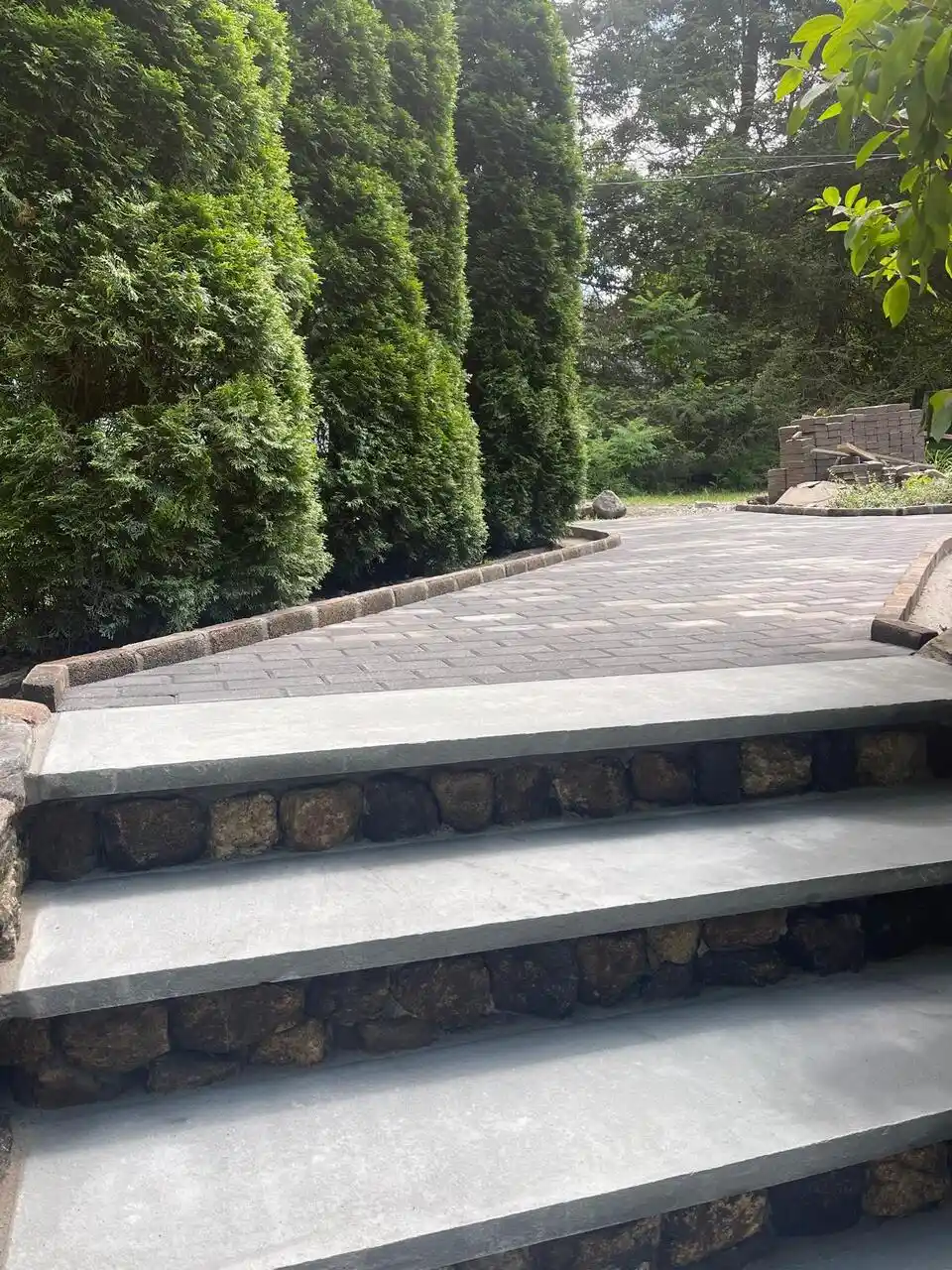
Connecticut’s frost depth, the depth to which the ground freezes in winter, requires a minimum compacted base depth that varies by soil type and drainage. On clay loam soils common in Southbury, Woodbury, and Oxford, 6 to 10 inches of compacted gravel base is typically required for pavers. When base depth is insufficient, frost penetrates beneath the paver layer, lifts the material, and creates the uneven, heaved surface that homeowners notice after the first hard winter. Proper drainage below the base prevents the water accumulation that allows frost to form at that depth. Heaving is almost never a material failure, it is an installation failure that starts at the bottom of the base, not the top.
The chimney crown is the mortar or concrete cap at the very top of the chimney stack. When it cracks or deteriorates, water runs directly into the mortar joints below, saturating them before freeze cycles begin. A saturated joint freezes harder, expands more, and deteriorates significantly faster than a joint that sheds water properly. Many chimney repointing projects that fail within a few years do so because the crown failure was not addressed alongside the joint repair. Water kept entering at the top, resaturating the fresh mortar, and the cycle continued. Proper chimney repair addresses the water entry point first, always crown and cap before repointing the joints below.
Not all deteriorated mortar requires immediate action, and not all damaged masonry can be saved with repair alone. The assessment determines which situation you are dealing with. Mortar joints with surface cracking and partial depth deterioration can often be repointed, raking out the failed mortar and replacing it with a compatible mix. Joints that are deteriorated to full depth, especially where water has entered and caused structural brick or stone movement, may indicate a rebuild is the better long term approach. For patios and walkways, the question is whether the base is compromised. If the base has shifted, resetting the surface without rebuilding the base produces the same failure in another season.
On well-maintained chimneys with proper crowns and flashing, mortar joints typically last 20 to 30 years before repointing is needed. Neglected crowns that allow water entry can reduce that to 5 to 10 years.
Standard Portland cement-based products are too rigid for older stone. They transfer freeze-thaw stress into the stone face, causing irreversible spalling. Use a lime-based mortar matched to the original.
On the clay-loam soils common in those areas, 8 to 10 inches of compacted gravel base is typically required for pavers. Less than that risks frost heave after the first hard winter.
Yes. Failed flashing at the roof line allows water to enter the chimney from the side, not just the top. A thorough chimney assessment covers crown, cap, and flashing all three water entry points.
Depends on whether the base is salvageable. If the base hasn’t significantly shifted, resetting the pavers and improving drainage may be sufficient. If the base has moved, a full reinstallation from the base up is the right approach.

Mortar joints that crumble, bricks that spall, and patios...
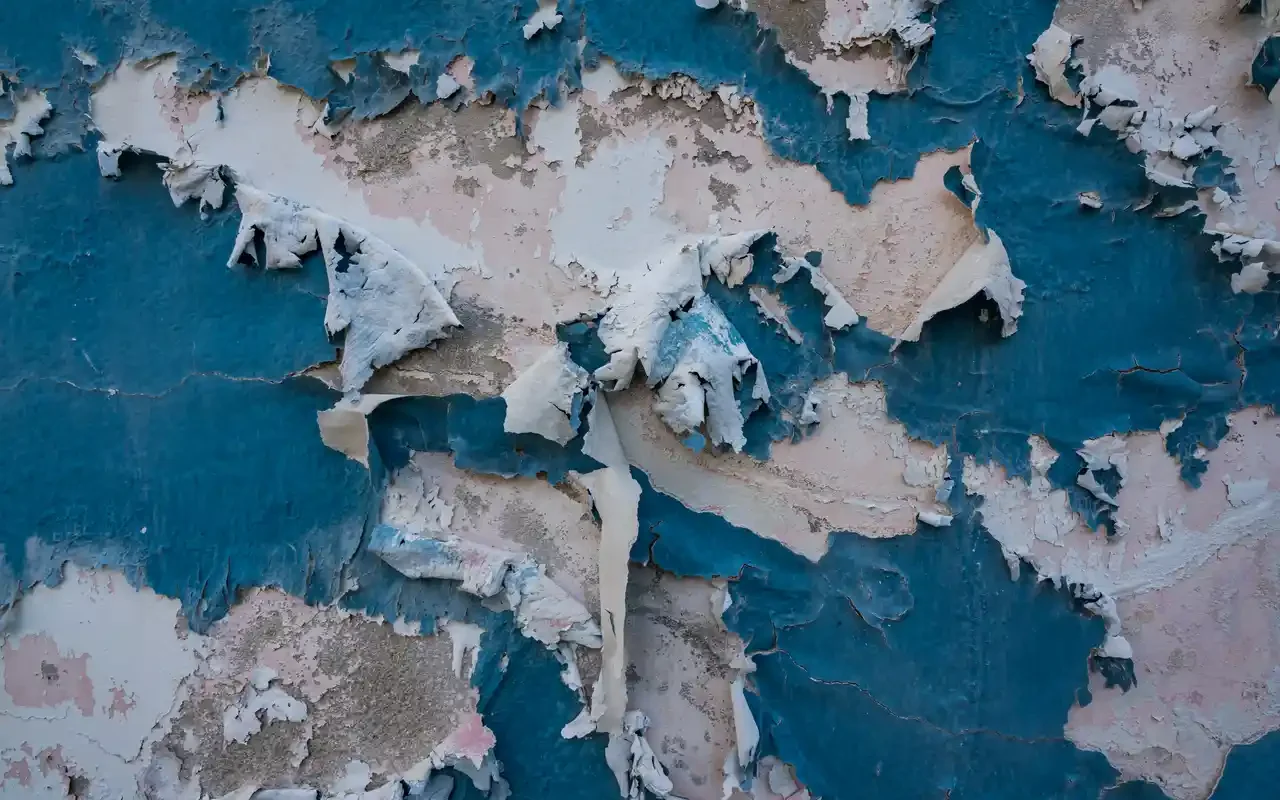
Paint peeling on a Connecticut home is rarely a paint problem...
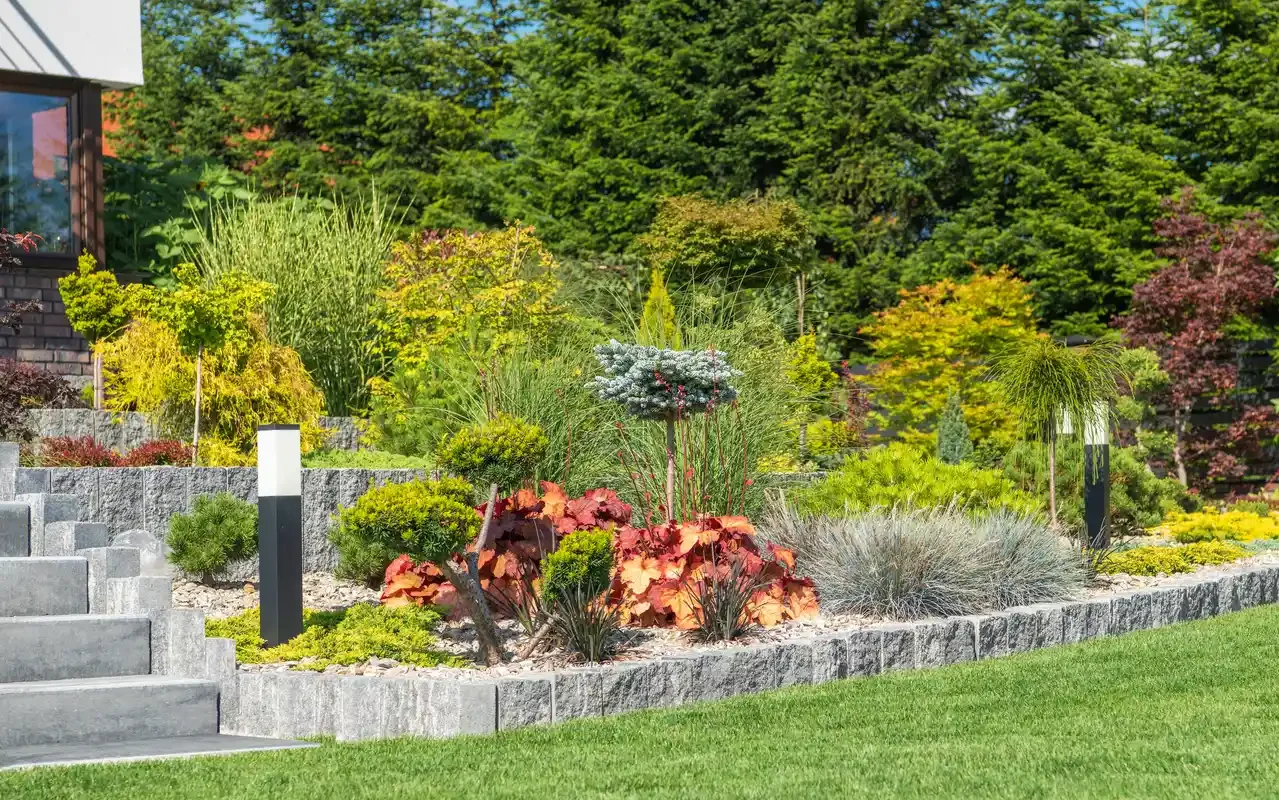
One of the first questions Connecticut homeowners...
Getting two or three renovation estimates and finding...
The line between a DIY landscaping project and one that benefits...
When rot appears in the trim, bricks start spalling on the chimney...