DIY or Hire a Pro? A Connecticut Homeowner's Guide to Landscaping Decisions
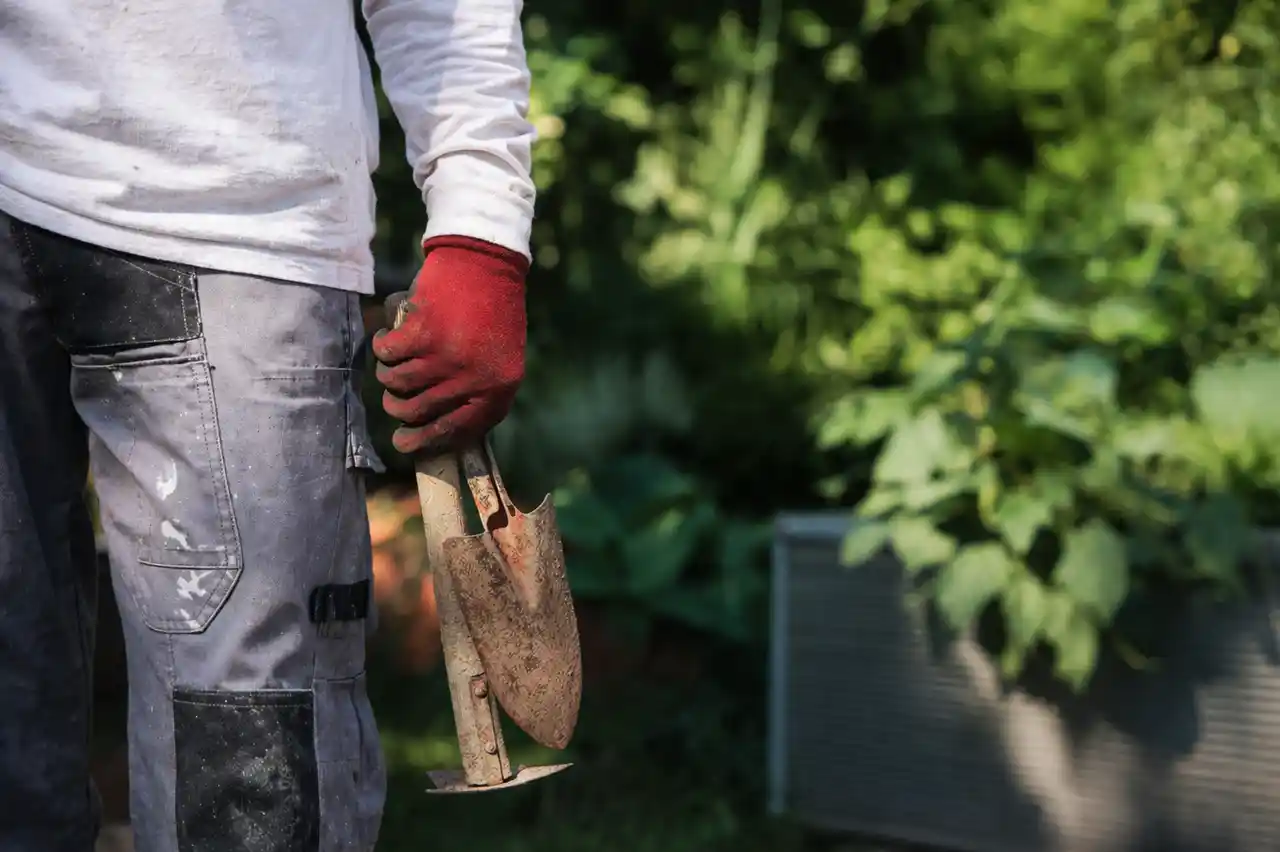
The line between a DIY landscaping project and one that benefits from professional help is not always obvious, until you are three days into digging through Connecticut clay and realize the project has gotten significantly larger than the YouTube video suggested. Some landscaping work is genuinely manageable for a motivated homeowner with the right tools. Other work involves soil conditions, drainage requirements, and plant establishment factors that require experience to get right the first time. This guide is designed to help Connecticut homeowners in Southbury, Brookfield, Oxford, and surrounding towns decide where that line falls and what to expect from each approach.
Projects Where DIY Works Well in Connecticut
Seasonal maintenance, mulching established beds, raking leaves, basic pruning of smaller shrubs, is well within DIY range for most homeowners. Annual flower bed planting in existing, prepared beds also works fine without professional help. These tasks require time and attention but not specialized knowledge of Connecticut soil or drainage conditions. Basic lawn overseeding on an established lawn, in the right window, typically September in Connecticut, can also be DIY with proper seed selection for the existing grass type. The common factor in successful DIY landscaping is working within an already prepared system rather than starting from scratch on unimproved ground.
Where Connecticut's Soil and Drainage Create DIY Problems
Clay loam soil, common throughout our service area, requires specific preparation before planting or seeding. Simply tilling and planting in unamended clay produces poor results: plant roots struggle to penetrate dense soil, drainage is insufficient, and the lawn or beds perform well below their potential. Homeowners who have struggled with patchy lawns or plants that do not establish are often fighting clay soil without realizing it. Amending clay soil correctly, the right type and quantity of organic material, tilled to the right depth, makes a measurable difference and requires some experience to calibrate. Similarly, drainage problems on sloped or low lying Connecticut lots need assessment before planting, not after plants are already failing.
Projects That Consistently Benefit from Professional Help
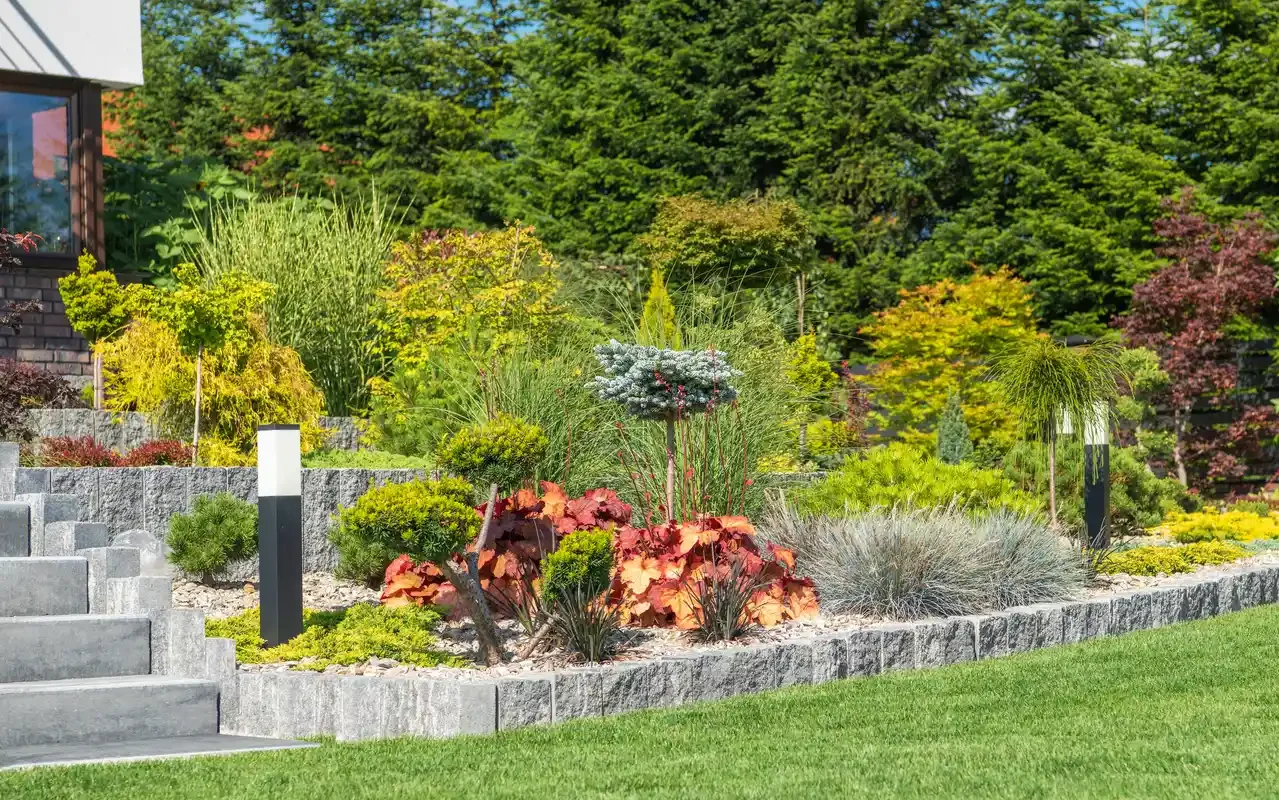
Full lawn installation from scratch, significant grading, retaining wall construction, and tree removal all fall on the professional side of the line for most homeowners, not because the work is impossible to DIY, but because the cost of getting it wrong is high. A lawn installation on improperly prepared soil needs to be redone. A retaining wall without proper drainage behind it will fail. A tree removal without the right equipment is a safety issue. In Connecticut specifically, ledge rock close to the surface in some towns, Oxford, New Fairfield, Kent, makes excavation related projects unpredictable in ways that require professional site assessment before scope can be determined.
How to Compare the Real Cost of DIY vs. Professional Landscaping
The honest cost comparison between DIY and professional landscaping includes equipment rental, material costs, and the realistic time investment, not just the labor cost difference. Renting a sod cutter, aerator, and roller for a lawn project adds up. Buying soil amendment material in the quantities needed for a full bed installation approaches contractor pricing. And a project that needs to be redone because soil preparation was insufficient doubles the cost of the original attempt. For large scope projects in Connecticut, get a professional estimate before committing to DIY. The comparison is often closer than expected, and on clay soil lots that need drainage work, the professional approach is frequently the more cost effective one when done once and done right.
Frequently Asked Questions