JS General Service LLC restores damaged, worn, and deteriorated residential properties across Connecticut and New York. Our licensed team returns structures and surfaces to their original condition with the craftsmanship and attention to detail that restoration work demands.
(203) 617-5499
Property restoration encompasses a broad category of work — from repairing structural damage caused by water infiltration to restoring deteriorated wood trim on a historic Connecticut home. What distinguishes restoration from standard renovation is the intent: restoration work aims to return a property or its components to their original condition and function, preserving materials, finishes, and character where possible rather than replacing them wholesale. This approach is often more cost-effective, and in the case of historic properties, it is frequently the only approach that satisfies local preservation requirements.
Connecticut’s climate contributes significantly to the deterioration that makes restoration work necessary. Freeze-thaw cycling causes mortar to spall, wood to check and crack, and paint systems to fail. High humidity promotes mold and wood rot in areas with inadequate ventilation or moisture management. Ice damming damages rooflines, fascia, and soffits. Deferred maintenance allows small problems to compound into structural issues. JS General Service LLC addresses these conditions systematically — identifying the cause of deterioration, correcting it at the source, and then restoring the affected surfaces to their original appearance and performance.
Our restoration work covers both interior and exterior applications. We assess each situation individually to develop a scope that is appropriate for the condition of the materials, the age of the structure, and the client’s objectives. Every restoration project begins with a free, written estimate. The crew that assesses the damage is the crew that performs the restoration — no handoffs, no subcontractors for the skilled phases of the work.
Water damage is the most common driver of restoration work in Connecticut residential properties. Sources range from roof failures during ice dam events — particularly prevalent in the Litchfield Hills and inland towns where snowpack builds — to plumbing failures, basement water infiltration, and condensation damage from inadequate vapor management in crawl spaces and attics. Each source produces a different pattern of damage and requires a different approach to restoration.
Our water damage restoration process begins with a thorough moisture assessment to identify all affected areas and determine whether the moisture source has been fully addressed. Restoration work performed over an active moisture intrusion will fail — the most common reason restoration work requires redoing is that the underlying moisture problem was not corrected before the restoration began. We identify and correct the source as part of the project scope, not as an afterthought.
Once the moisture source is resolved, restoration proceeds with removal of all damaged material — including concealed structural members, sheathing, and insulation if affected — drying the substrate to appropriate moisture content, treating any mold or biological growth, and rebuilding the affected areas with appropriate materials matched to the existing construction. Finish restoration — matching existing paint, trim profiles, and surface textures — is the final phase and the one that determines whether the restoration is visible or seamless.
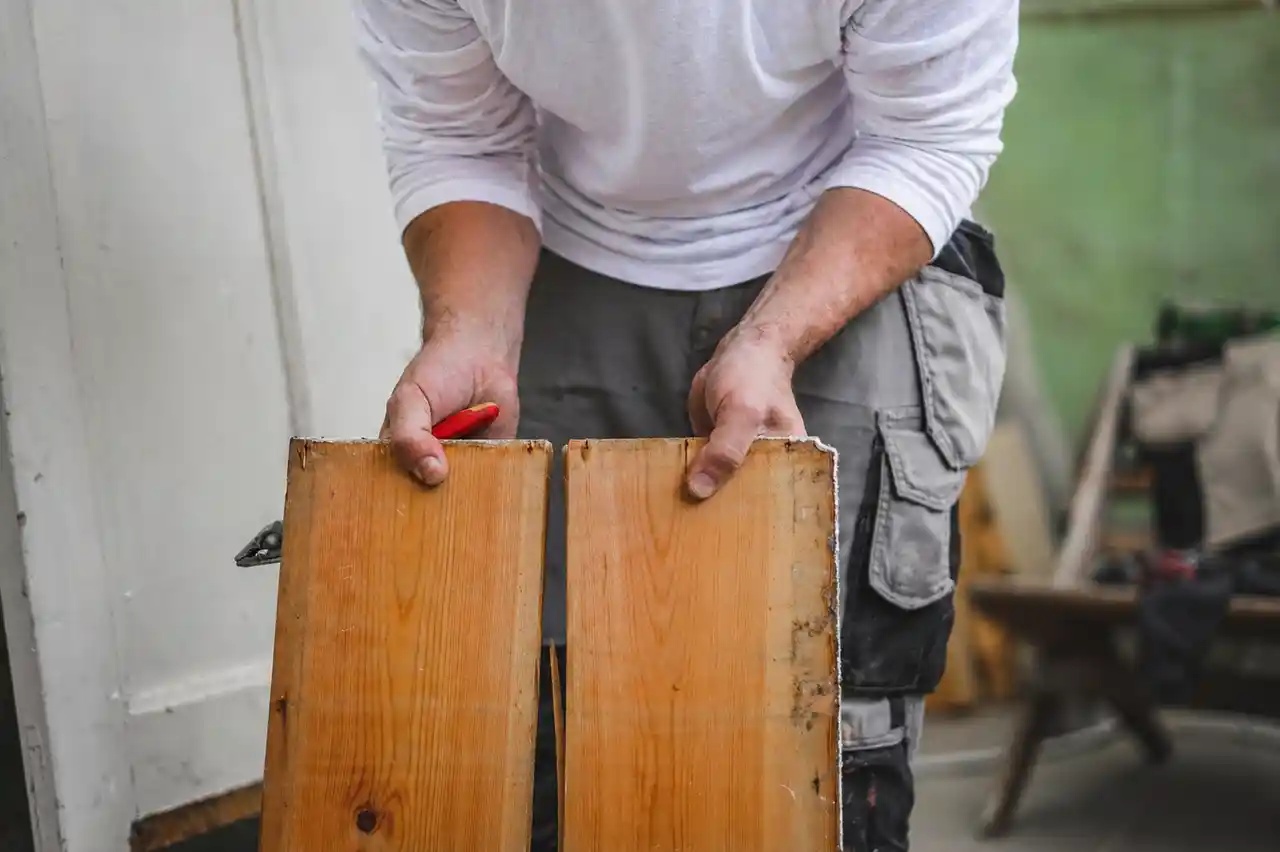
Wood rot is endemic to older Connecticut homes, particularly in areas that accumulate moisture: window sills, door thresholds, rake boards, fascia, porch decking, and exterior trim at grade. The pattern of rot often follows the pattern of water management failures — gutters that have been clogged and overflowed, flashing that has failed at roof-to-wall transitions, or grade that has been raised against wood framing. Addressing the moisture management failure is prerequisite to any effective restoration of the rotted wood.
Our wood rot restoration approach depends on the extent and location of the damage. Localized rot in solid wood members can often be treated with a two-part epoxy consolidant and filler system, which stabilizes the existing wood and fills the void without requiring full replacement. More extensive rot that has compromised the structural integrity of a member — a load-bearing sill, a structural post, or a rafter end — requires full replacement of the affected member with dimensionally matched material. We assess each situation and recommend the most durable and cost-effective approach.
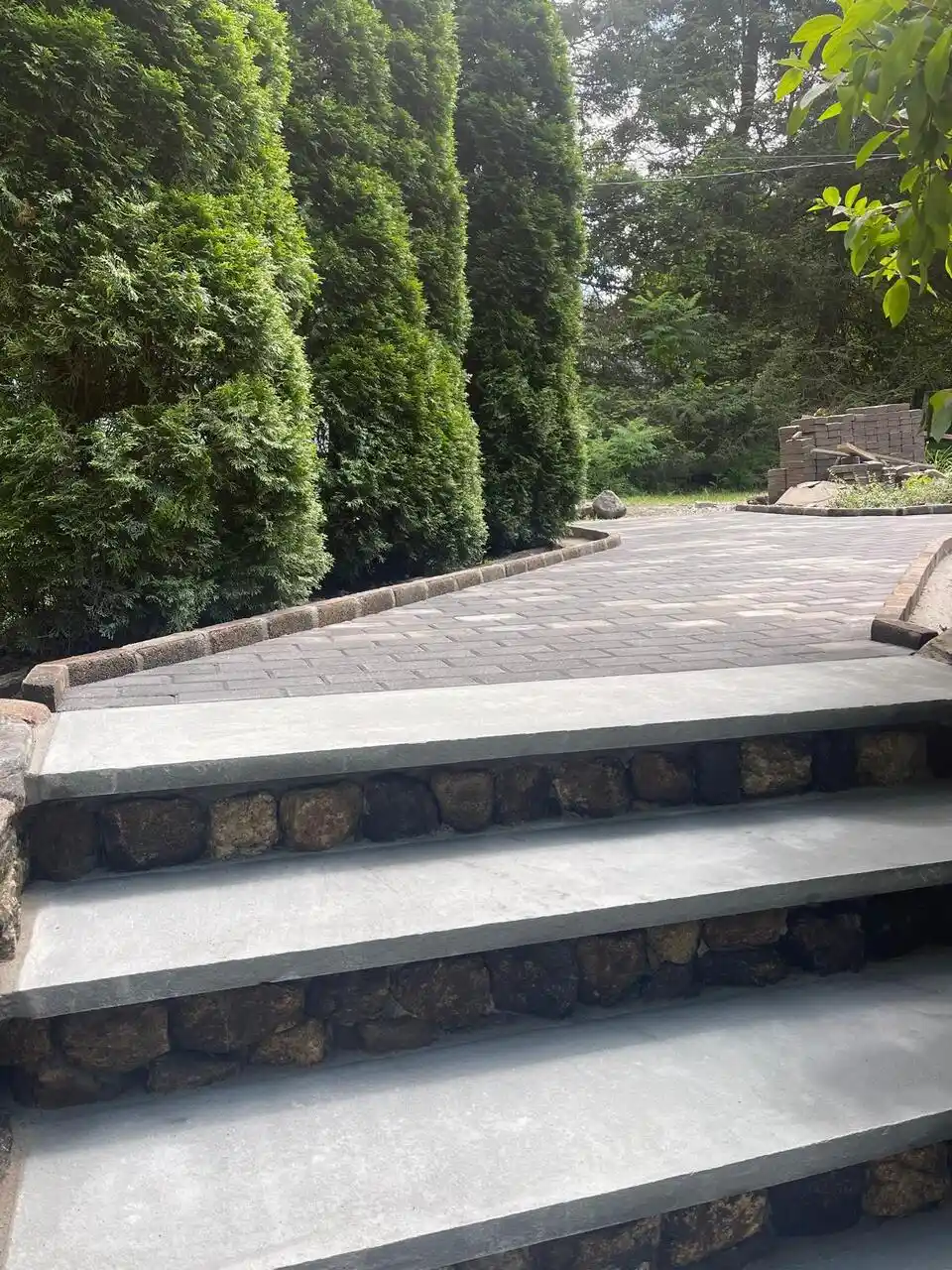
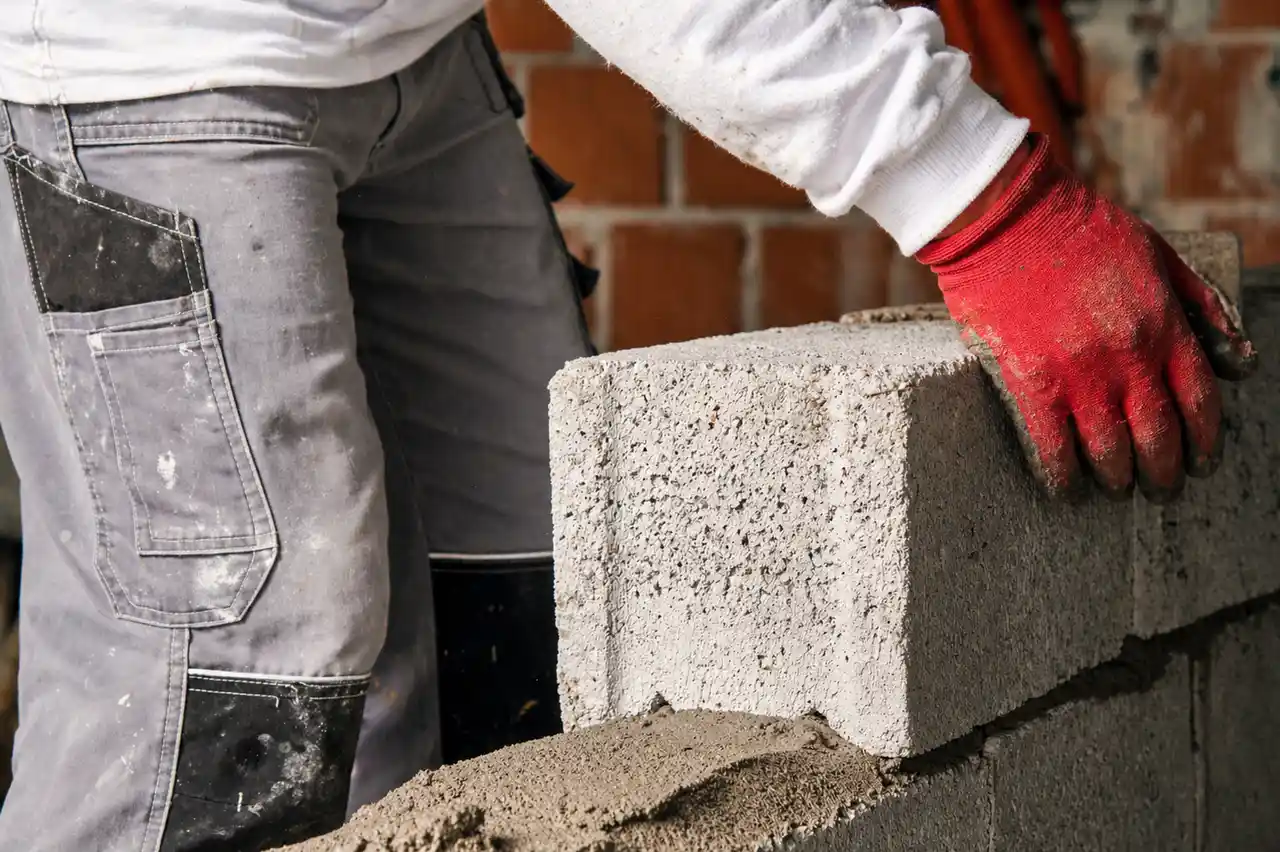
Exterior masonry restoration — including repointing deteriorated mortar joints, repairing spalled brick or stone faces, and rebuilding failed sections of chimneys, foundations, or retaining walls — is also part of our restoration scope. Connecticut’s freeze-thaw climate is particularly hard on masonry mortar, and repointing with mortar of the wrong composition can accelerate rather than slow deterioration. We use mortar mixes matched to the hardness and composition of the existing masonry, a critical specification that prevents differential movement from damaging the surrounding masonry units.
Connecticut has an exceptionally large inventory of historic residential properties — colonial, federal, Greek revival, and Victorian structures that define the character of many of the communities we serve, including Woodbury, Southbury, and Kent. Restoration work on these properties requires knowledge of historic construction methods, materials, and detailing, as well as awareness of the local preservation requirements that may apply. Properties within designated historic districts or listed on the State Register of Historic Places are subject to design review before exterior work can proceed.
Historically appropriate restoration preserves the materials and character that give a property its value and identity. This means matching existing wood profiles when replacing trim, using appropriate paint systems on historic substrates, selecting masonry materials that are compatible with existing construction, and avoiding the use of modern materials that are visually or mechanically incompatible with the original construction. Our team brings the knowledge and care required to navigate these considerations — a skill set that is distinct from general renovation and not universally available among contractors.
Beyond the aesthetic and regulatory considerations, historically appropriate restoration is often the most structurally sound approach for older Connecticut properties. The materials and methods used in 18th and 19th century construction in New England were selected for their performance in the region’s climate, and many have demonstrated durability over centuries. Replacing traditional materials with modern substitutes — particularly certain composite or vinyl products — can introduce moisture management problems and mechanical incompatibilities that create new maintenance burdens. We advise our clients on these tradeoffs and recommend the approach that will perform best over the long term.
Professional restoration in Connecticut preserves your property’s value, corrects underlying problems at their source, and returns surfaces and structures to their original condition and performance.
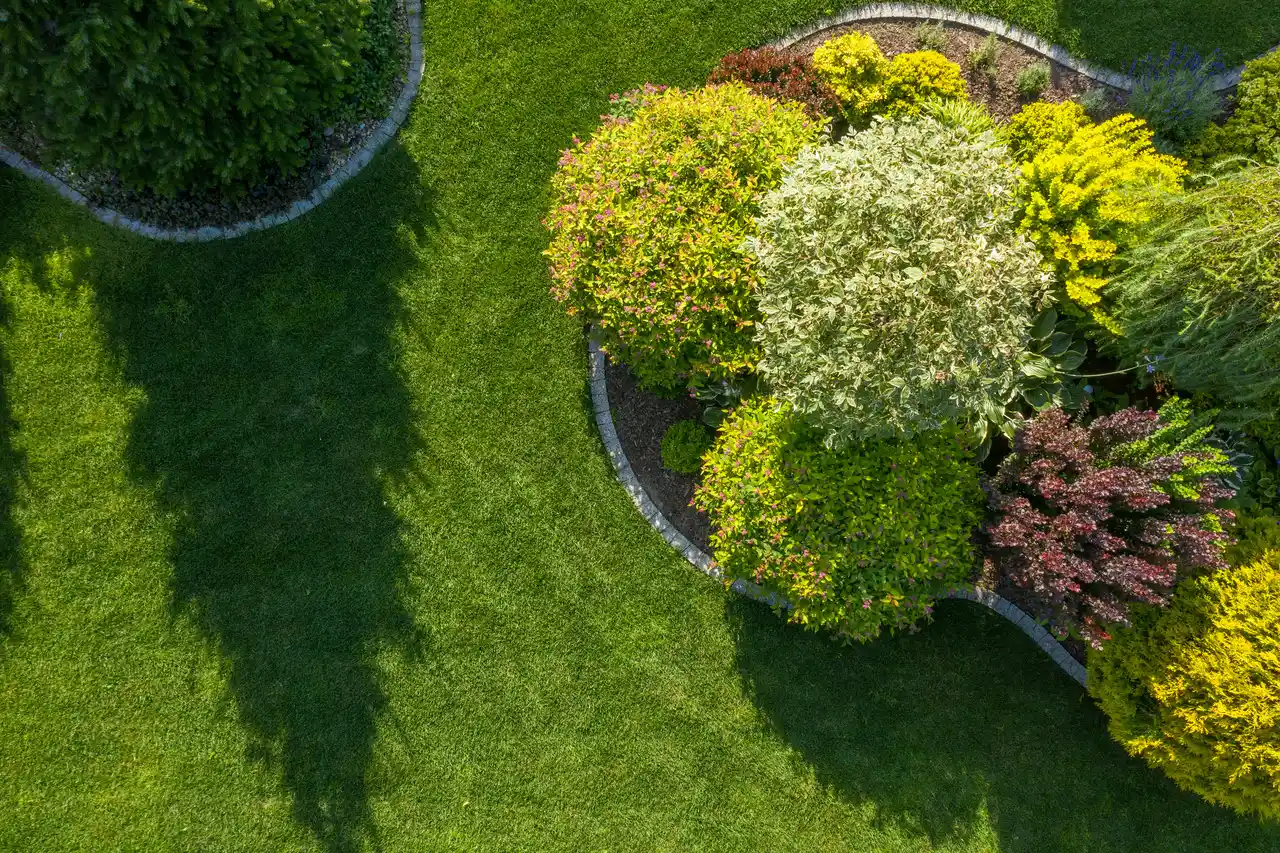
Connecticut homeowners face a specific set...
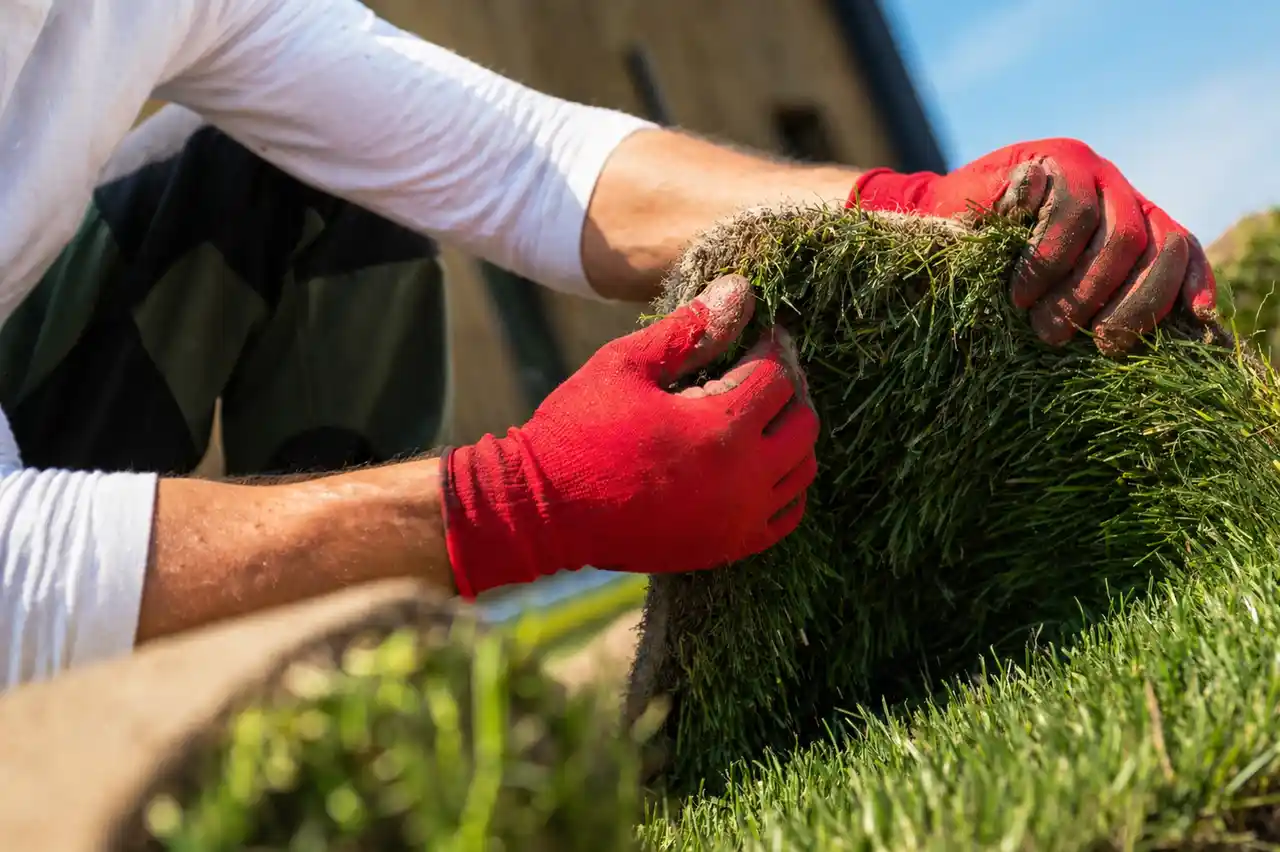
Mortar joints that crumble, bricks that spall, and patios...
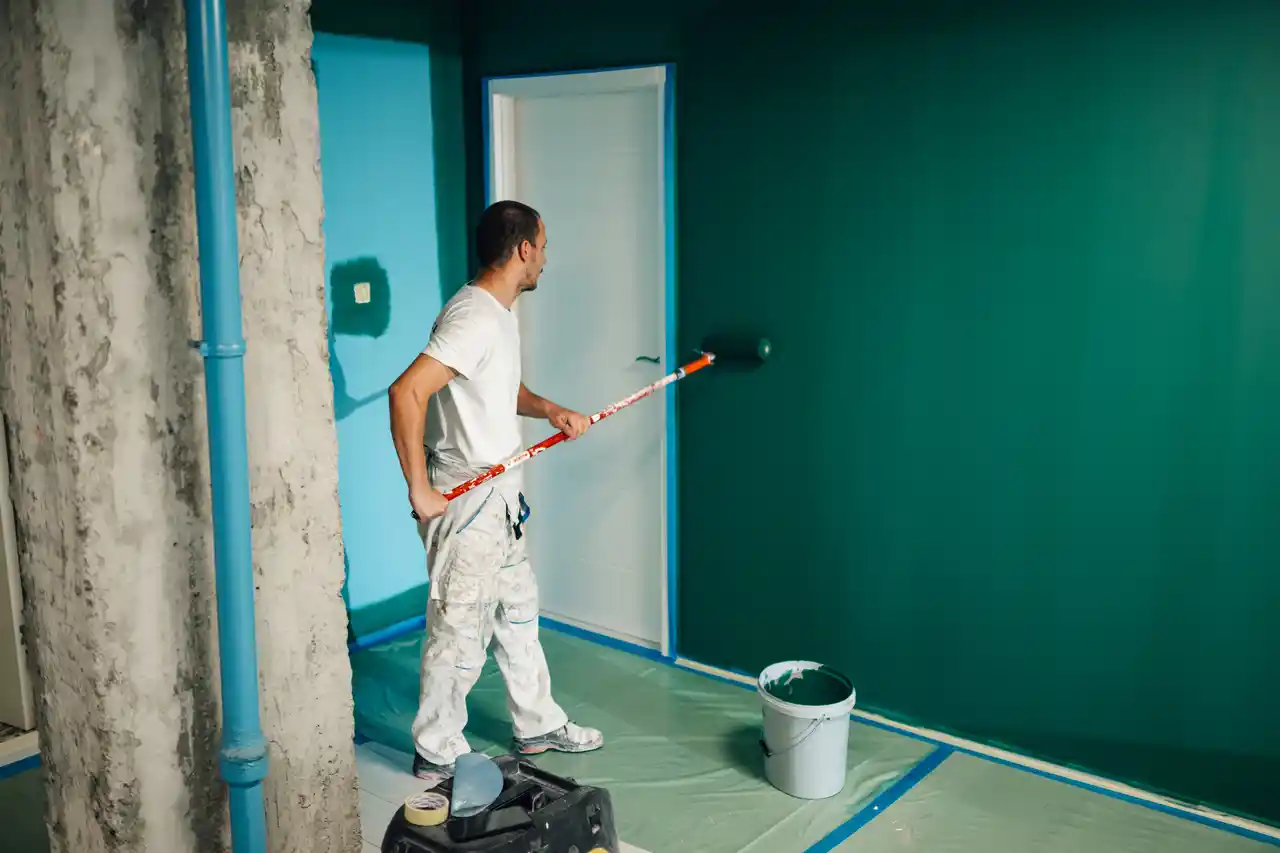
Connecticut’s climate creates specific demands for residential paint...
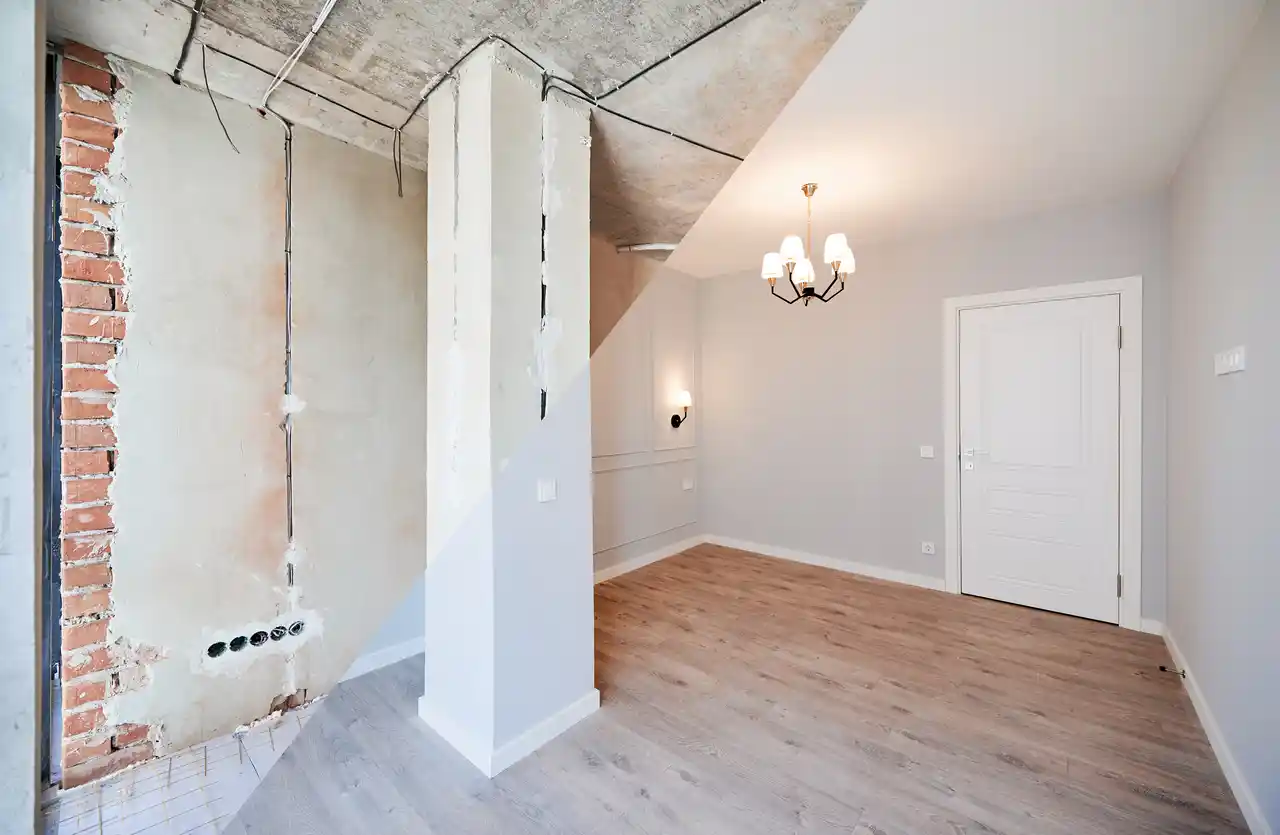
Home renovation in Connecticut encompasses a broad range...
Property restoration encompasses a broad category of work...
Masonry construction in Connecticut demands a higher level of expertise...
Every restoration project is handled by a fully licensed and insured team. Your property and its restored elements are protected throughout the entire process.
We identify and correct the cause of deterioration before restoring the affected surfaces — preventing the same damage from recurring after the project is complete.
We understand Connecticut's climate-driven deterioration patterns, historic construction methods, and local preservation requirements for restoration on older properties.
Our restoration services cover water damage repair, wood rot treatment and replacement, exterior masonry repointing and repair, historic property restoration, and interior and exterior surface restoration. Every project begins with an assessment to identify the source of deterioration and a free written estimate that covers the full scope.
Restoration costs depend heavily on the extent and type of damage. Minor wood rot repair may cost a few hundred dollars. Significant water damage restoration or structural restoration work can range from $3,000 to $25,000 or more. We provide free, written estimates so you have an accurate cost before committing.
Signs that restoration work is needed include peeling or blistering paint that keeps recurring, soft or discolored wood around windows and doors, efflorescence on masonry, staining on ceilings or walls, musty odors, or visible structural cracking. If you’re seeing any of these, contact us for a free assessment — early intervention is always less expensive than waiting.
Permit requirements depend on the scope. Cosmetic restoration and repointing typically don’t require permits. Structural work, significant masonry reconstruction, or work on historic properties subject to local review may require permits or approvals. We identify all requirements during the assessment and manage the process as part of the project.
Yes. JS General Service LLC is a licensed and insured contractor in Connecticut and New York. Our licensing covers the restoration work we perform, and we carry full liability insurance on every project. Proof of license and insurance is available upon request.
We provide restoration services in Southbury, Oxford, New Fairfield, Kent, Roxbury, Woodbury, Sherman, New Preston, and Brookfield, CT, and select New York communities. Call (203) 617-5499 to schedule a free assessment of your property.
JS General Service LLC provides professional restoration services for residential properties across Connecticut and New York. Our licensed team serves the following communities with expert restoration work on every project, from water damage to historic property repair.